
1. Charlotte’s Web by E.B. White
– A heartwarming story with simple language, great for beginners learning vocabulary in context.
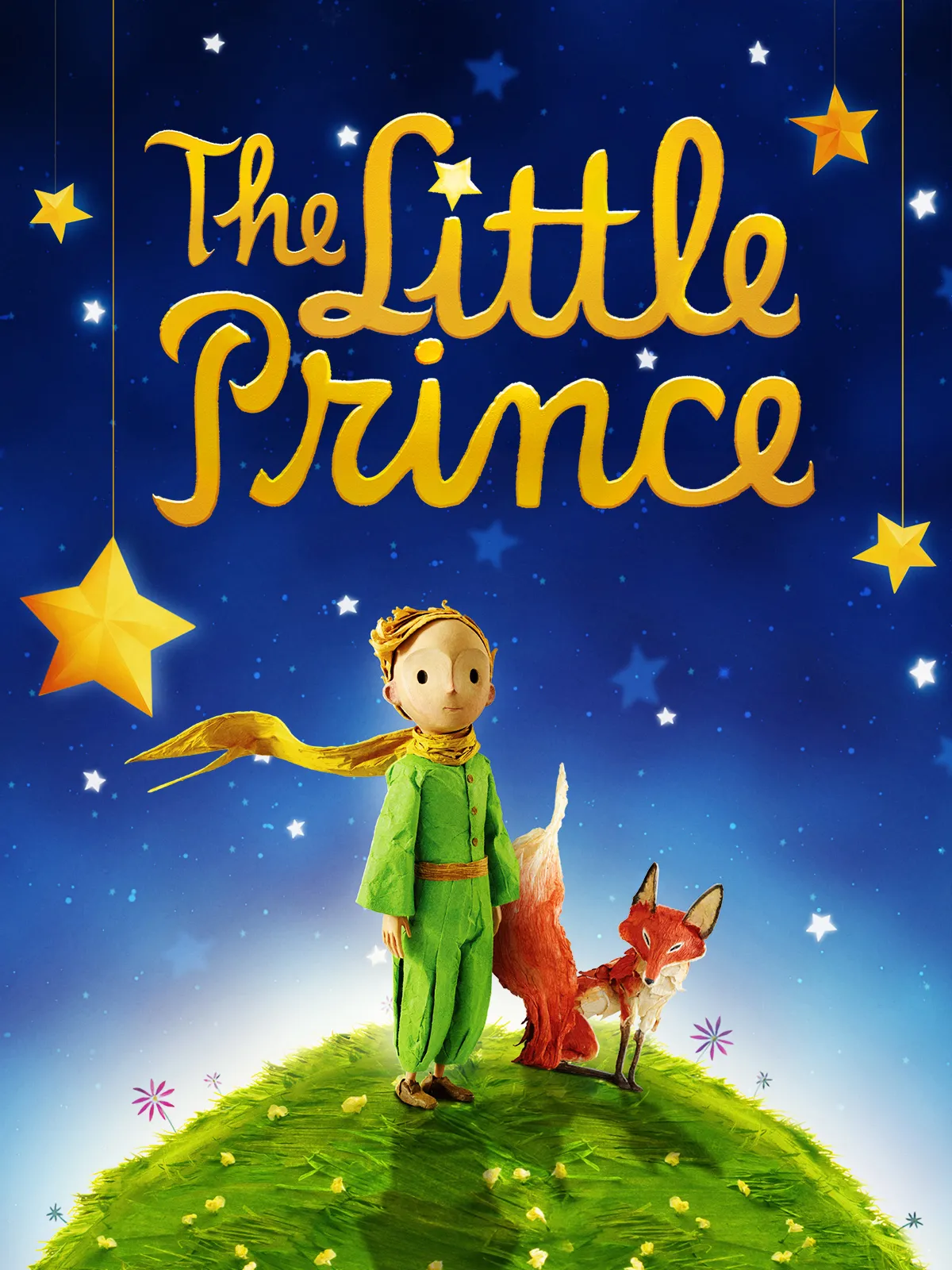
2. The Little Prince by Antoine de Saint-Exupéry
– A poetic tale that uses straightforward language, with meaningful lessons and universal themes.
3. Fantastic Mr. Fox by Roald Dahl
– This fun, action-filled story has accessible language and engaging illustrations that help with comprehension.
4. The Giver by Lois Lowry
– A dystopian story written in clear language with a gripping plot, suitable for beginners and lower-intermediate readers.
5. Peter Pan by J.M. Barrie
– A classic adventure with manageable vocabulary and fantasy elements that keep readers engaged.
6. Anne of Green Gables by L.M. Montgomery
– With charming characters and simple descriptive language, this is a great choice for building vocabulary in a natural way.
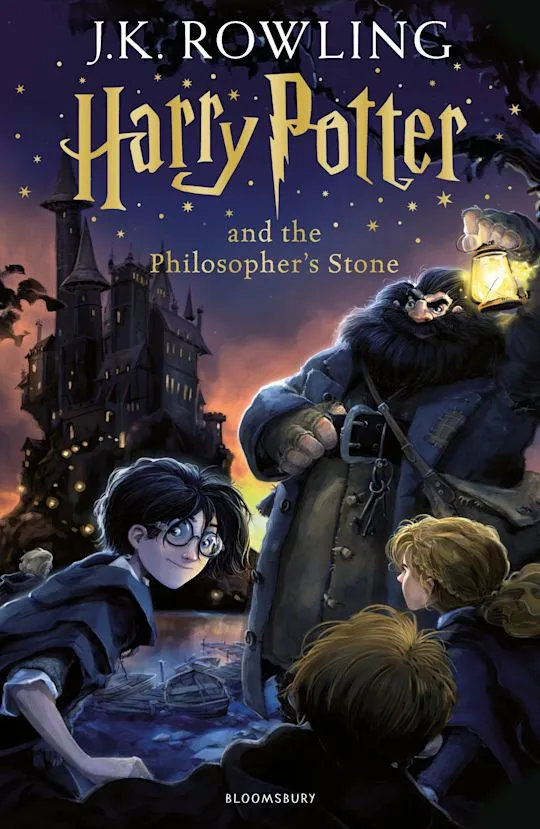
7. Harry Potter and the Philosopher’s Stone by J.K. Rowling
– Though aimed at young readers, the simple language and familiar themes make it accessible for lower-intermediate learners.
8. Charlie and the Chocolate Factory by Roald Dahl
– Another classic by Dahl with simple language, entertaining characters, and a story that’s easy to follow.
9. Stuart Little by E.B. White
– A story of a tiny mouse with big dreams, told in simple language that’s easy for beginners to understand.
10. Diary of a Wimpy Kid by Jeff Kinney
– Written as a humorous diary, this book is approachable with plenty of illustrations to support comprehension.
11. To Kill a Mockingbird by Harper Lee
– This classic novel covers complex themes but is written in clear, accessible language, making it great for intermediate readers.
12. The Alchemist by Paulo Coelho
– A philosophical story with straightforward language and a universal message, perfect for intermediate learners.
13. Animal Farm by George Orwell
– An allegorical novella with simple vocabulary, though it covers advanced themes that make it thought-provoking for all levels.
14. The Old Man and the Sea by Ernest Hemingway
– Hemingway’s style of short sentences and simple vocabulary makes this an ideal read for intermediate learners.
15. The Catcher in the Rye by J.D. Salinger
– With a conversational tone and themes of teenage life, this novel suits intermediate learners looking to understand colloquial English.
16. The Curious Incident of the Dog in the Night-Time by Mark Haddon
– This story, told from the perspective of a young boy, uses simple language that is both engaging and easy to understand.
17. Percy Jackson and the Olympians: The Lightning Thief by Rick Riordan
– An exciting, fast-paced story with simple language that’s approachable for upper-intermediate readers.
18. Tuesdays with Morrie by Mitch Albom
– This touching story uses clear, conversational language and explores life lessons in a straightforward way.
19. Wonder by R.J. Palacio
– Written from different perspectives, this book uses accessible language and gives readers insight into everyday conversations.
20. The Fault in Our Stars by John Green
– With contemporary language and a simple narrative, this book is perfect for learners looking to expand vocabulary.
21. 1984 by George Orwell
– An iconic novel with accessible yet thought-provoking language, challenging readers with advanced vocabulary.
22. Pride and Prejudice by Jane Austen
– Austen’s classic style provides an opportunity to expand vocabulary and understand historical English, while still being accessible.
23. The Great Gatsby by F. Scott Fitzgerald
– Known for its poetic language and metaphors, this novel is excellent for advanced learners interested in literary English.
24. Life of Pi by Yann Martel
– A beautifully written story with advanced vocabulary and imagery, suitable for improving descriptive language skills.
25. The Book Thief by Markus Zusak
– Written in poetic language, this novel explores complex themes and provides a chance to learn advanced vocabulary.
26. Jane Eyre by Charlotte Brontë
– A rich vocabulary and elaborate descriptions make this an ideal choice for advanced readers wanting to deepen their language skills.
27. Beloved by Toni Morrison
– With complex sentence structures and themes, this novel challenges readers and helps develop advanced comprehension.
28. Brave New World by Aldous Huxley
– A dystopian novel that uses advanced vocabulary and sophisticated ideas, perfect for learners ready to tackle challenging texts.
29. One Hundred Years of Solitude by Gabriel García Márquez (translated by Gregory Rabassa)
– The rich language and intricate storytelling will help advanced learners build narrative comprehension skills.
30. Middlemarch by George Eliot
– This complex novel, with its intricate vocabulary and plot, is suited for readers seeking to improve their grasp of classic English literature.
These novels offer an immersive way to learn English across various skill levels, with each book building vocabulary, comprehension, and cultural understanding.


